
The Role of a TMS in Modern Localization
Localization is a data-heavy process that involves adapting content to specific regional requirements. A TMS provides the necessary framework to manage this data at scale. Instead of treating every translation as a new, isolated task, the system uses language management tools to leverage existing assets. This includes the use of digital glossaries and style guides that are automatically applied to every project, ensuring that technical terms and brand-specific vocabulary remain uniform across all target markets.
1. Advanced Workflow Automation
The primary function of a translation management system is to replace manual file handling with automated triggers. When new content is added to a repository, the TMS can automatically detect the change, package the strings for translation, and notify the assigned linguists. Once the translation is complete and passes quality checks, the system pushes the localized files back into the production environment. This automation reduces the administrative overhead of project management by up to 90%, allowing teams to focus on content quality rather than file logistics.
2. Centralized Language Management
A TMS acts as a "single source of truth" for all linguistic assets. This centralization is driven by two core technologies that improve efficiency over time:
-
Translation Memory (TM) - A searchable database that stores every previously translated sentence. When the system encounters identical or similar text in a new project, it "recycles" the existing translation. This ensures consistency across different product updates and reduces costs, as companies only pay for new content.
-
Terminology Management - A digital dictionary that defines how specific products, features, or industry terms should be translated. This prevents errors where different translators might use different words for the same technical component.
3. In-Context Editing and Preview
One of the most common causes of localization errors is the lack of visual context. Translators often work on isolated strings of text without knowing if they belong to a button, a headline, or a legal disclaimer. Modern platforms solve this by offering in-context previews. This feature renders the website or app interface within the translation platform, allowing linguists to see how the text fits within the design. This immediately identifies "text expansion" issueswhere a German or French translation might be 30% longer than the English original and break the layout.
4. Seamless Software Integration
A robust translation management system integrates directly with the existing tech stack via APIs and native connectors. Whether a company uses GitHub for development, Contentful for CMS, or Zendesk for customer support, the TMS sits in the middle, pulling and pushing data without human intervention. This capability is essential for "Continuous Localization," a practice where content is translated in real-time as it is being developed, rather than waiting for a product to be "finished" before starting the localization process.
5. Enhanced Data Security and Collaboration
Handling sensitive product data or proprietary code via email is a significant security risk. A TMS provides a controlled environment where all stakeholders—internal employees and external freelancers log into a secure portal. The system tracks every change made to a file, providing a full audit trail. Additionally, it facilitates collaboration by allowing translators and developers to communicate directly within the platform on specific strings, resolving linguistic or technical queries without leaving the translation workflow.
Impact on Speed to Market
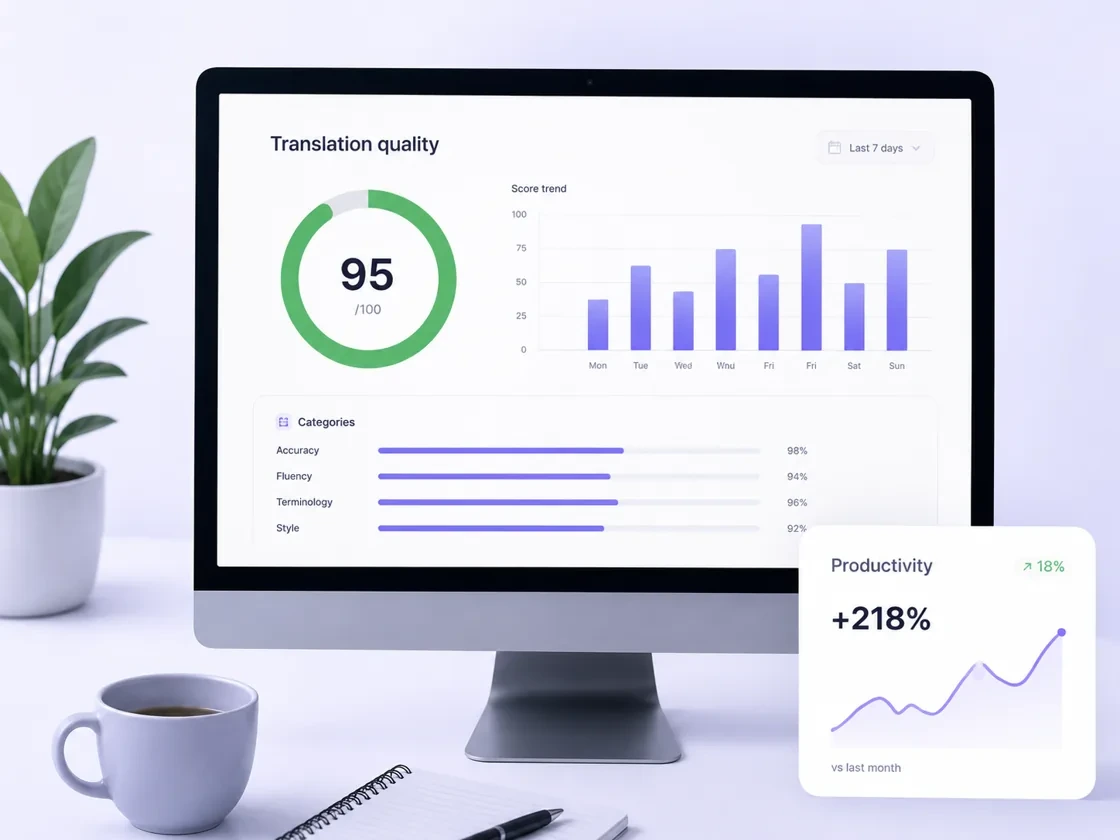
In a competitive landscape, the time between a feature's release in the primary language and its availability in secondary markets is critical. By using a TMS, organizations can launch products globally at the same time. The reduction in manual tasks and the reuse of content via Translation Memory can shorten the localization cycle from several weeks to a few days, providing a measurable impact on international revenue and market share.
Quality Assurance and Technical Stability
A TMS includes automated Quality Assurance (QA) protocols that run in the background. These checks verify that:
-
Placeholders (like {user_name}) are not deleted or mistranslated.
-
Character limits for UI elements are respected.
-
Punctuation and formatting remain consistent.
-
No strings are left untranslated.
By enforcing these technical rules, the system ensures that multilingual content is not only linguistically correct but also technically sound, preventing software crashes or UI failures in localized versions.
Selecting the Right Platform
Selecting a language management tool requires a technical assessment of your current infrastructure. Key considerations include the ability to handle various file formats (JSON, XLIFF, .strings, etc.), the availability of robust API documentation for custom integrations, and a pricing model that scales with your word count and user base.
Conclusion
A translation management system is a fundamental piece of enterprise architecture for any company operating internationally. By centralizing the translation platform, automating the translation workflow, and utilizing advanced language management tools, businesses can manage complex multilingual content with precision. This technical approach to localization ensures that brand integrity is maintained and products reach global customers with maximum efficiency and minimal technical risk.