
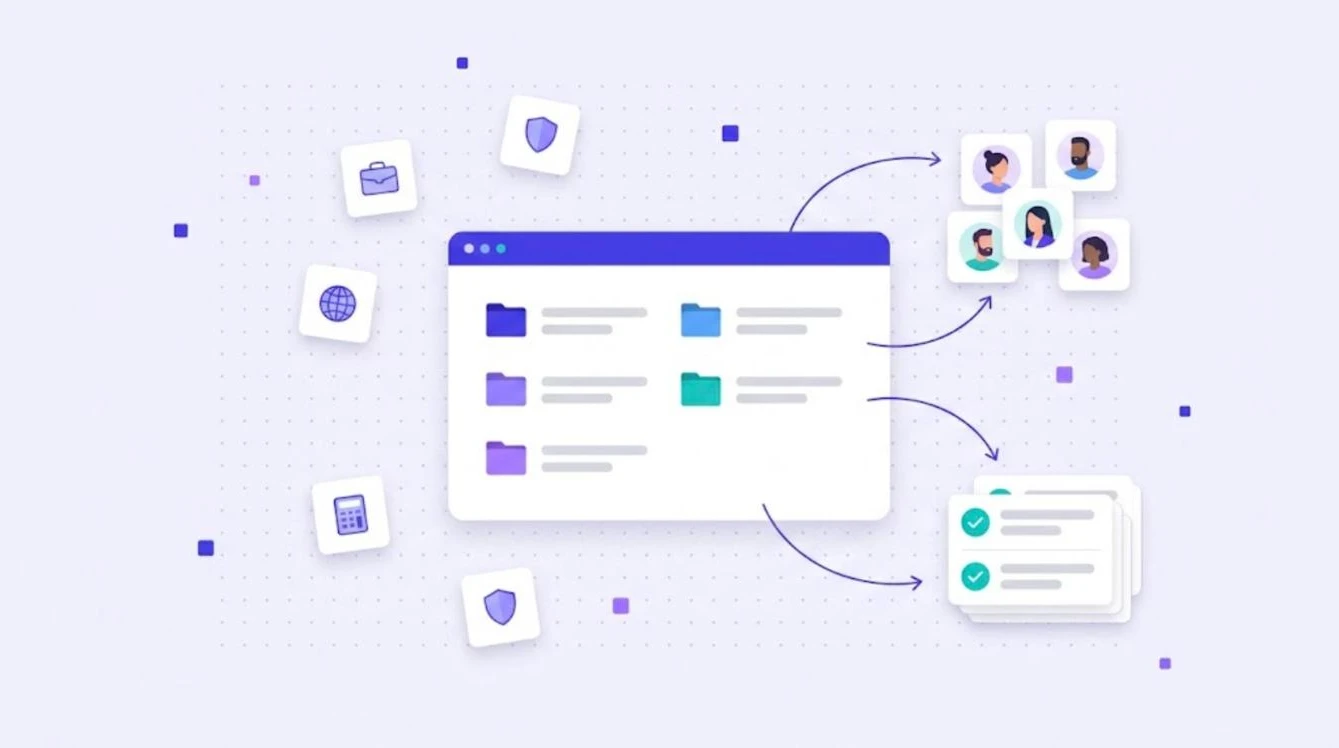
Translation agency software is the set of tools a language service provider uses to deliver translation work: a translation management system for projects and linguists, a CAT editor with translation memory and terminology, AI and machine translation, quality checks and support for all the file formats clients send. The right software lets an agency take on more work with the same team, keep quality consistent and deliver faster. This guide explains what agencies need and how to choose.
What Translation Agencies Need From Software
| Need | Software capability |
|---|---|
| Accept any client file | Wide format support, including bilingual files such as SDLXLIFF, MQXLIFF and MXLIFF |
| Quote accurately | File analysis with translation memory matches |
| Work with freelancers | Cloud editor and user seats, no installation |
| Keep each client consistent | Separate translation memories and term bases per client |
| Deliver faster | AI pre-translation and post-editing |
| Prove quality | Automated QA and LQA scoring |
Core Tools in an Agency Tech Stack
- Translation management system for projects, files and linguists.
- CAT editor where translators and reviewers work.
- Translation memory and term base per client and domain.
- AI and machine translation engines for first drafts.
- QA tools for numbers, tags and terminology.
- Business tools for invoicing, CRM and vendor payments, often separate from translation software.
How AI Changes Agency Work
AI does not replace agencies; it changes their services. More projects are delivered as machine translation post-editing, with different review levels per content type. Agencies that test engines on client content, track quality and price post-editing fairly can grow margins. Read our guide to AI vs human translation for more.
Quality Standards Agencies Should Support
Many clients ask for processes aligned with ISO 17100, which requires translation plus revision by a second linguist. Your software should make it easy to assign separate translators and revisers, keep a record of changes and run QA before delivery. Structured linguistic quality assurance helps you show clients measurable quality.
How to Choose Translation Agency Software
- Test it with the hardest files your clients send.
- Check that bilingual files go back to clients without errors.
- Make sure freelancers can start working without installing anything.
- Look for AI engines included in the platform, not separate subscriptions.
- Compare cost per seat and per word as you grow.
WordBeam for Translation Agencies
WordBeam gives agencies a cloud translation management system with a professional CAT editor, translation memory, term bases, QA checks and built-in AI engines including DeepL, GPT, Claude and Grok. It opens more than 15 formats, including SDLXLIFF, MQXLIFF, MXLIFF, IDML and DOCX. The Studio plan includes 7 seats, 300,000 words, integrations and LQA scorecards, and a Customized plan is available for larger agencies. See WordBeam pricing and start a free 14-day trial.
Frequently Asked Questions
What software do translation agencies use?
Most agencies use a translation management system with a CAT editor, translation memory, terminology, machine translation and QA, plus separate business tools for invoicing.
Can agencies work with clients who use other CAT tools?
Yes, if the software opens and returns bilingual formats such as XLIFF, SDLXLIFF, MQXLIFF and MXLIFF correctly.
How much does translation agency software cost?
Cloud platforms usually charge monthly by seats and word volume. WordBeam starts at $25 per month, with a team plan at $95 per month.