
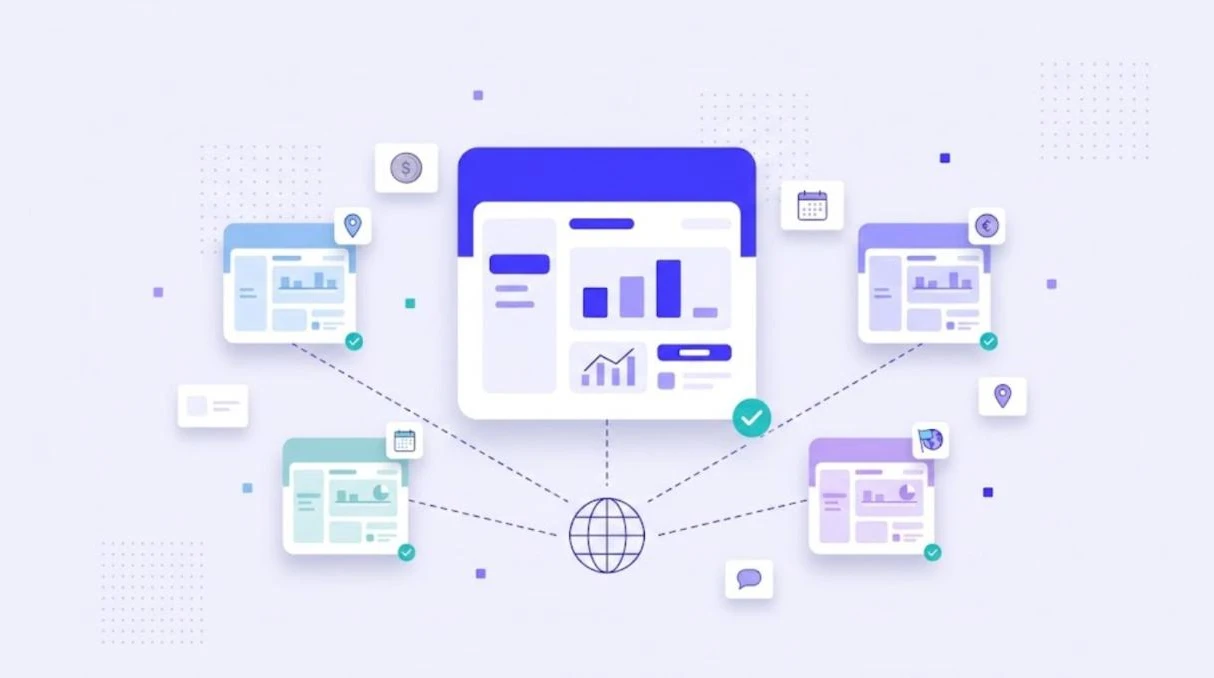
Localization is the process of adapting a product, website, app or content for a specific market, so that it feels natural to people in that language and culture. It includes translation, but also changes to formats, images, payment methods, legal details, tone and functionality. This guide explains what localization means, how it differs from translation, real examples and how the localization process works.
Localization Definition
Localization, often shortened to L10n because there are ten letters between the L and the n, adapts content to a locale: a combination of language and region, such as French in Canada (fr-CA) or Spanish in Mexico (es-MX). The W3C describes localization as adapting a product or content to meet the language, cultural and other requirements of a target market in its article on localization and internationalization.
Localization vs Translation vs Internationalization
| Term | What it means | Example |
|---|---|---|
| Translation | Converting text from one language to another | Translating a product description into German |
| Localization (L10n) | Adapting the whole experience to a market | German text, euro prices, local payment options, DIN paper sizes |
| Internationalization (i18n) | Designing products so they can be localized easily | Separating text from code, supporting UTF-8 and plurals |
| Globalization (g11n) | The overall business strategy for entering global markets | Planning which countries to launch in and how |
For more detail, read localization vs translation and internationalization vs localization.
What Gets Localized?
- Text: UI, website, documentation, marketing, support content.
- Formats: dates, times, numbers, currencies, units, addresses, phone numbers.
- Visuals: images, icons, colors and text inside graphics.
- Tone and messaging: formality, humor, cultural references.
- Legal and compliance: privacy notices, terms, product labeling.
- Commerce: pricing, taxes, payment methods, shipping.
- Search: local keywords, metadata and URLs.
Localization Examples
- Software: an app that shows dates as 26.10.2026 in Germany and 10/26/2026 in the US, with menus in the user's language.
- E-commerce: a store that shows prices in local currency, offers local payment methods and uses size charts for each region.
- Games: character names, jokes and references adapted so they make sense in each culture.
- Marketing: a campaign slogan rewritten from scratch through transcreation because a literal translation would fall flat.
The Localization Process
- Internationalize your product or content so it can support any language.
- Plan markets and define priorities, budgets and quality levels.
- Prepare assets: glossary, style guide and reference material.
- Translate and adapt content using translation memory, terminology and AI where appropriate.
- Review and test in context, including localization testing for apps and websites.
- Release and maintain translations as your product evolves.
Why Localization Matters
Localized products earn more trust, convert better and grow faster in new markets. They also reduce support costs, because customers understand the product. Most importantly, localization shows respect for your customers' language and culture.
Tools for Localization
Modern localization runs on a translation management system that combines a CAT editor, translation memory, terminology, AI engines, QA and workflow automation. For software teams, it also connects to code repositories for software localization.
Start Localizing With WordBeam
WordBeam helps teams localize websites, apps and documents in 150+ languages, with translation memory, term bases, QA and AI engines such as DeepL, GPT and Claude in one platform. Try it free for 14 days with 10,000 words.
Frequently Asked Questions
What does localization mean in simple terms?
Localization means making a product or content feel local to people in another country, not only by translating words but by adapting formats, culture and details.
What is the difference between localization and translation?
Translation changes the language. Localization adapts the whole experience, including formats, visuals, tone and functionality.
Why is localization called L10n?
Because there are ten letters between the first letter L and the last letter n in the word "localization".